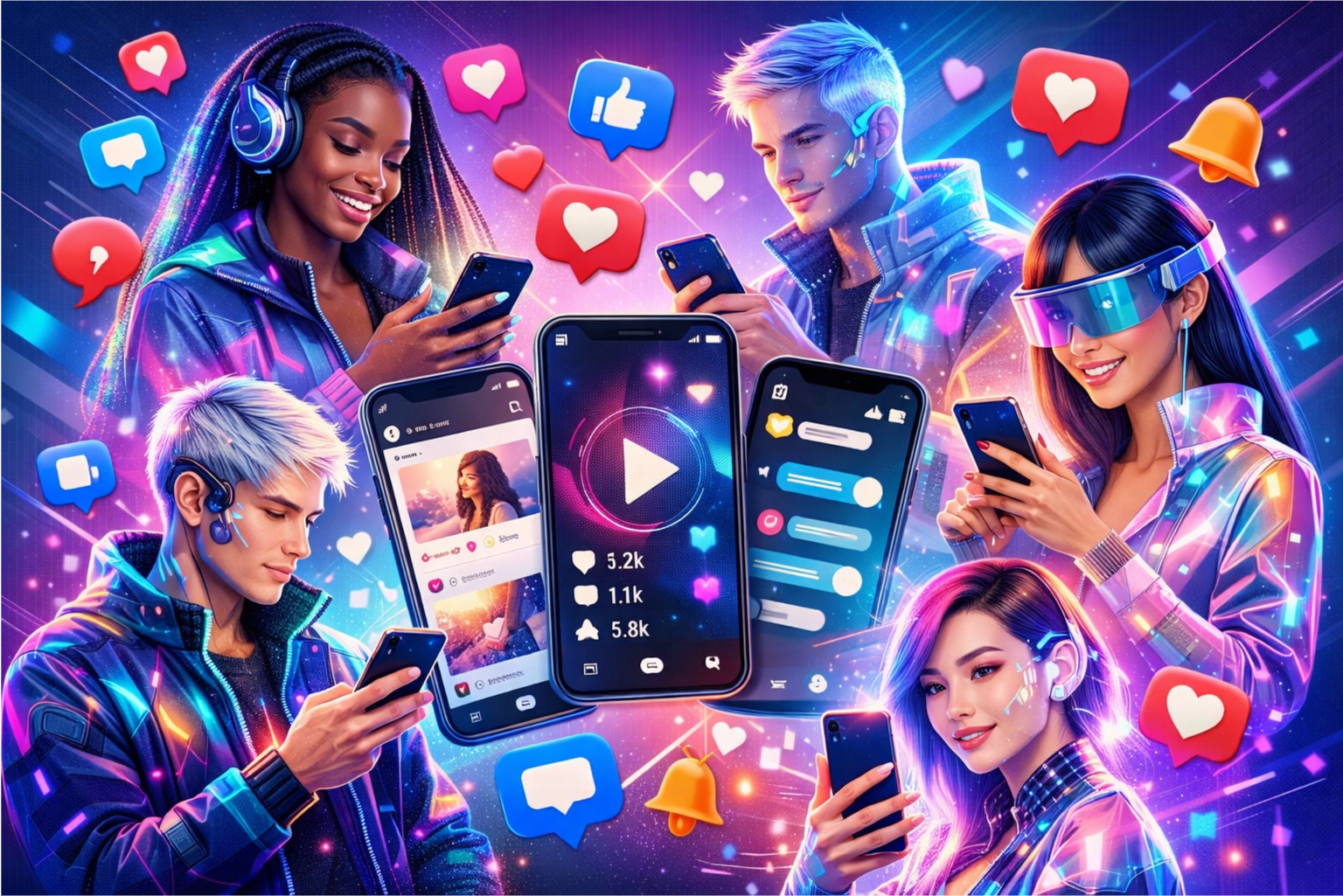
Scroll through Instagram or TikTok long enough, and you might find yourself following an influencer who isn’t real—at least, not in the traditional sense. Their photos are flawless, their captions are engaging, and their posting schedule is perfectly consistent. What sets them apart is that they’re powered entirely by artificial intelligence.
AI-generated influencers are no longer a futuristic concept. They’re here, growing fast, and changing the rules of social media marketing. From virtual fashion models to digital brand ambassadors, these AI-driven personalities are redefining what influence looks like in the digital age.
What Are AI-Generated Influencers?
AI-generated influencers are virtual personas created using artificial intelligence, computer graphics, and machine learning. Unlike human influencers, they don’t exist in the physical world. Instead, they live entirely online.
These digital influencers can:
-
Post photos and videos
-
Interact with followers
-
Promote products and brands
-
Maintain a consistent personality and style
Behind the scenes, teams of developers, designers, and AI systems manage their behavior, content, and interactions.
How AI Influencers Came to Life
The rise of AI-generated influencers is tied to advancements in technology. Improvements in:
-
Generative AI
-
Image and video synthesis
-
Natural language processing
-
Social media algorithms
have made it possible to create realistic digital humans that audiences can emotionally connect with.
Social platforms that reward consistency and engagement provided the perfect environment for AI influencers to thrive.
Why Brands Are Embracing AI Influencers
Brands are always searching for new ways to stand out. AI-generated influencers offer several advantages over traditional creators.
Total Brand Control
With AI influencers, brands control:
-
Messaging
-
Visual identity
-
Posting schedule
-
Public behavior
There’s no risk of scandals, missed deadlines, or off-brand opinions. Everything is carefully curated.
Cost Efficiency Over Time
While creating an AI influencer requires upfront investment, long-term costs are often lower than managing multiple human influencers. AI influencers don’t require travel, breaks, or renegotiated contracts.
Always-On Presence
AI influencers can post 24/7, adapt to trends instantly, and engage with global audiences across time zones.
How Audiences Are Responding
Audience reactions to AI-generated influencers are mixed—but curious.
Some users are fascinated by:
-
The creativity behind digital personas
-
The novelty of virtual influencers
-
The futuristic aesthetic
Others express concerns about authenticity, transparency, and emotional manipulation.
Despite skepticism, many AI influencers have gained loyal followings, proving that emotional connection doesn’t always require physical reality.
AI Influencers and Social Media Algorithms
AI-generated influencers are particularly well-suited for algorithm-driven platforms.
Because they:
-
Post consistently
-
Optimize content using data
-
Adapt quickly to trends
they often perform well in recommendation systems. Algorithms prioritize engagement, not humanity.
From an SEO and discoverability perspective, AI influencers understand how to “play the algorithm” better than most humans.
The Impact on Human Influencers
The rise of AI-generated influencers has sparked concern among human creators.
Key worries include:
-
Increased competition
-
Reduced brand deals
-
Unrealistic beauty standards
However, AI influencers also push human creators to differentiate themselves through authenticity, storytelling, and real-life experiences—areas where humans still excel.
Transparency and Ethical Concerns
As AI influencers grow more realistic, transparency becomes crucial.
Ethical questions include:
-
Should AI influencers disclose they aren’t human?
-
Who is responsible for their messages?
-
How is user data used to shape interactions?
Many platforms and regulators are beginning to discuss labeling AI-generated content to maintain trust.
AI Influencers in Different Industries
AI-generated influencers are appearing across multiple niches.
Fashion and Beauty
Virtual models showcase clothing, makeup, and accessories with perfect consistency and visual appeal.
Gaming and Tech
AI personas fit naturally into digital-first spaces, promoting products and experiences.
Education and Awareness
Some AI influencers focus on storytelling, activism, or educational content, offering controlled messaging and consistency.
The Role of Storytelling in AI Influence
Successful AI influencers aren’t just visually appealing—they have stories.
Creators behind these personas develop:
-
Background narratives
-
Personal values
-
Emotional arcs
These stories help audiences connect, even when they know the influencer isn’t real.
Storytelling remains a powerful tool—human or not.
The SEO and Marketing Advantage
From an SEO standpoint, AI-generated influencers offer measurable benefits.
They:
-
Generate consistent branded content
-
Target niche keywords and hashtags
-
Improve engagement metrics
-
Drive traffic to products and platforms
Brands can integrate AI influencers into broader digital strategies for long-term visibility.
What the Future Holds for AI Influencers
Over the next few years, AI-generated influencers will become more interactive, realistic, and autonomous.
Future developments may include:
-
Real-time conversations
-
Emotional responsiveness
-
Cross-platform identities
-
Personalized interactions with followers
As technology advances, the line between human and AI influence will continue to blur.
How Brands and Creators Can Adapt
For brands:
-
Embrace AI influencers strategically
-
Maintain transparency
-
Combine AI and human creators
For human creators:
-
Focus on authenticity
-
Share real experiences
-
Build genuine communities
The future isn’t AI replacing humans—it’s AI reshaping the influencer ecosystem.
Final Thoughts
The rise of AI-generated influencers on social media reflects a broader shift in how we define influence, identity, and connection online. These digital personas challenge traditional ideas of authenticity while offering new creative and marketing possibilities.
As AI influencers continue to evolve, the most successful social platforms will be those that balance innovation with trust and transparency.
In the end, influence isn’t just about who—or what—creates the content. It’s about how that content makes people feel.
